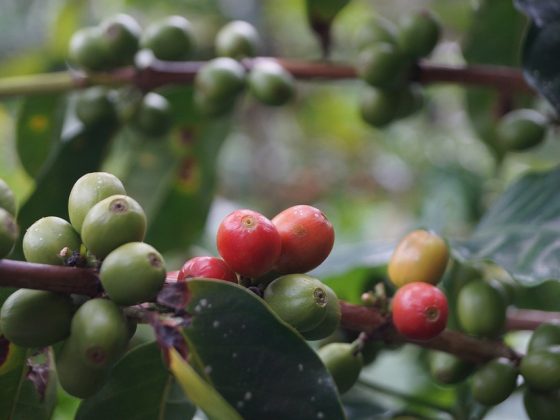

So, you’ve somehow ended up with a coffee bean plant. Maybe you bought it on a whim, someone gifted it to you, or you thought, “Hey, free coffee!” (Spoiler: it’s not quite that simple.) Now it’s sitting there looking all glossy and tropical, and you’re wondering what exactly you’re supposed to do with it.
Good news: coffee plants are surprisingly doable once you know what they like. Slightly less good news: they’re not quite as forgiving as a pothos, and they will absolutely let you know when they’re unhappy. In this guide, we’ll walk through the basics-light, water, humidity, soil, and the little quirks that keep your coffee plant thriving instead of sulking. Whether you’re dreaming of a future harvest or just want a happy leafy roommate, here’s what to do with your coffee bean plant.
Give Your Coffee Bean Plant the Light It Craves
Coffee bean plants are drama queens about one thing only: bright, filtered light. Give them a sunny spot with a sheer curtain, an east-facing window, or a few feet back from a south-facing window, and they’ll reward you with glossy leaves and fewer sulky droops. Watch for these clues:
- Pale, washed-out leaves: too much direct sun.
- Leggy stems with big gaps: not enough light.
- Crispy brown edges: sunburn, not thirst.
- Leaves pointing toward the window: a polite request to rotate the pot.
Think of your plant as a Goldilocks sunbather: morning sun is lovely, harsh afternoon rays are not. Rotate the pot every week or two so it doesn’t lean like it’s trying to escape, and use a sheer curtain in summer. If your space is dim, a grow light for 10-12 hours a day keeps things cheerful without turning leaves into toast.
| Spot | Light vibe | Plant mood |
|---|---|---|
| East window | Gentle morning sun | Happy dance |
| South window + sheer curtain | Bright and filtered | Leafy bliss |
| North window | Dim and moody | Slow and leggy |
| Direct afternoon sun | Hot and harsh | Crispy edges |

Water Just Enough to Keep Those Leaves Happy
Your coffee plant isn’t a swamp monster, so don’t drown its roots. Aim for moist but never soggy soil – think of a wrung-out sponge, not a puddle. The leaves will throw a tantrum if you overdo it (yellowing, dropping) or underdo it (crispy edges, drooping). Keep these quick checks in your back pocket:
- Finger test: Stick a finger an inch into the soil. If it’s dry, water; if it’s clingy and wet, wait a day.
- Room-temp water only: Cold tap water shocks tropical roots – let it sit out for an hour first.
- Drainage is non-negotiable: A pot without holes is a slow-motion plant murder. Use a saucer and empty it after 10 minutes.
Think of watering as a gentle rhythm, not a rigid schedule. Seasons change the beat: your plant drinks faster in summer’s growth spurt and slows way down in winter. Here’s a loose cheat sheet to keep those leaves perky without guesswork – just remember that your finger and the pot’s weight always beat a calendar.
| Season | Watering Rhythm | Leafy Clue |
|---|---|---|
| Spring & Summer | Every 5-7 days | Leaves look perky, soil feels like a damp cake |
| Fall & Winter | Every 10-14 days | Top inch is dry, leaves stop reaching for light |

Feed and Prune for Bushier Growth and Better Beans
Coffee plants are like that friend who needs a little nudge to branch out-literally. Feed smart during active growth with a balanced, slow-release fertilizer, and don’t push it into overdrive too early. A gentle rhythm keeps leaves glossy and gives future beans a fighting chance. Try this simple routine:
- Spring through summer: feed every 4-6 weeks with a half-strength balanced liquid feed.
- Watch the leaves: pale new growth usually means “more nitrogen, please.”
- Back off in winter: cooler, slower days mean less food, not more.
Pruning is where the magic gets bushy. Snip just above a leaf node to encourage side shoots, and remove weak, crossing, or leggy stems before they turn into a tangled coffee jungle. Don’t go wild all at once-light, regular cuts beat a dramatic haircut. Use this quick cue card:
| Plant clue | Quick move |
|---|---|
| Tall, bare stem | Pinch top growth |
| Crowded center | Thin inner stems |
| Pale new leaves | Feed lightly |
Watch for Pests and Troubleshoot Common Leaf Problems
Keep a close eye on the undersides of leaves, because that’s where the drama usually starts. Spider mites leave fine webbing and a speckled, dusty look, while mealybugs look like tiny cotton blobs hiding in leaf joints. Scale can show up as little brown bumps, and fungus gnats love soggy soil. Spot them early and you can usually wipe, rinse, or treat before your plant throws a full-on leaf tantrum.
- Spider mites: rinse leaves and raise humidity.
- Mealybugs: dab with rubbing alcohol and isolate the plant.
- Scale: gently scrape off and treat with insecticidal soap.
- Fungus gnats: let the topsoil dry out and avoid overwatering.
When leaves start acting weird, read the clues before you panic. Yellow lower leaves often mean overwatering or old growth, crispy brown edges point to dry air or inconsistent watering, and black spots can signal too much moisture plus poor airflow. Trim damaged leaves, check your watering rhythm, and give the plant bright indirect light while it recovers.
| Leaf clue | Likely cause | Quick fix |
|---|---|---|
| Yellowing | Too much water | Let soil dry slightly |
| Crispy edges | Dry air | Boost humidity |
| Black spots | Poor airflow | Trim and ventilate |
| Sticky leaves | Pest honeydew | Wipe and inspect |
Q&A
Got a Coffee Bean Plant? Your Questions, Answered
So you’ve got a coffee bean plant-nice! Here are the questions people ask most, with no-fuss answers. (Quick note: this assumes we’re talking about Coffea arabica, the usual coffee plant houseplant.)
Q: What’s the best spot for my coffee bean plant?
A: Bright, indirect light is the sweet spot. Near an east-facing window or a few feet back from a sunny south or west window works well. Harsh afternoon sun can scorch the leaves, but too little light makes it leggy and sad.
Q: How often should I water it?
A: Water when the top inch or two of soil feels dry. You want evenly moist soil-not soggy, not bone dry. Cut back a bit in winter, and always let excess water drain out.
Q: What kind of soil does it like?
A: Well-draining, slightly acidic soil. A regular potting mix with perlite and a little orchid bark or coco coir works great. Heavy, compacted soil is a no-go.
Q: Does it need extra humidity?
A: Yes, it’s a tropical plant. Around 50% humidity or higher is ideal. A pebble tray, humidifier, or grouping it with other plants helps. Misting is a nice bonus but not a full fix.
Q: What temperature is best?
A: Normal room temps-roughly 65-80°F-are perfect. Keep it away from cold drafts, AC vents, and radiators. Below 55°F is not its happy place.
Q: Should I fertilize it?
A: Yep, during spring and summer. Use a balanced or slightly acidic houseplant fertilizer, diluted to half strength, every 4-6 weeks. Skip feeding in fall and winter.
Q: Can I grow it outdoors?
A: If you live in a tropical or subtropical climate, sure-give it shade or partial sun and protect it from frost. Everywhere else, keep it as a houseplant or let it summer outside in a shady spot.
Q: How do I prune it?
**A
In Summary
Alright, that’s the coffee bean plant lowdown! It’s not a fussy diva-just give it decent light, steady water, a little humidity, and some patience, and you’ll have a happy little leafy buddy on your hands. If it throws the occasional tantrum (looking at you, yellow leaves), don’t panic-just tweak the basics and give it time.
Got questions, funny plant drama, or a coffee plant pic you’re weirdly proud of? Drop it in the comments-I’d love to hear how it’s going. Happy growing, and may your coffee plant be way less dramatic than your Monday morning. ☕🌱